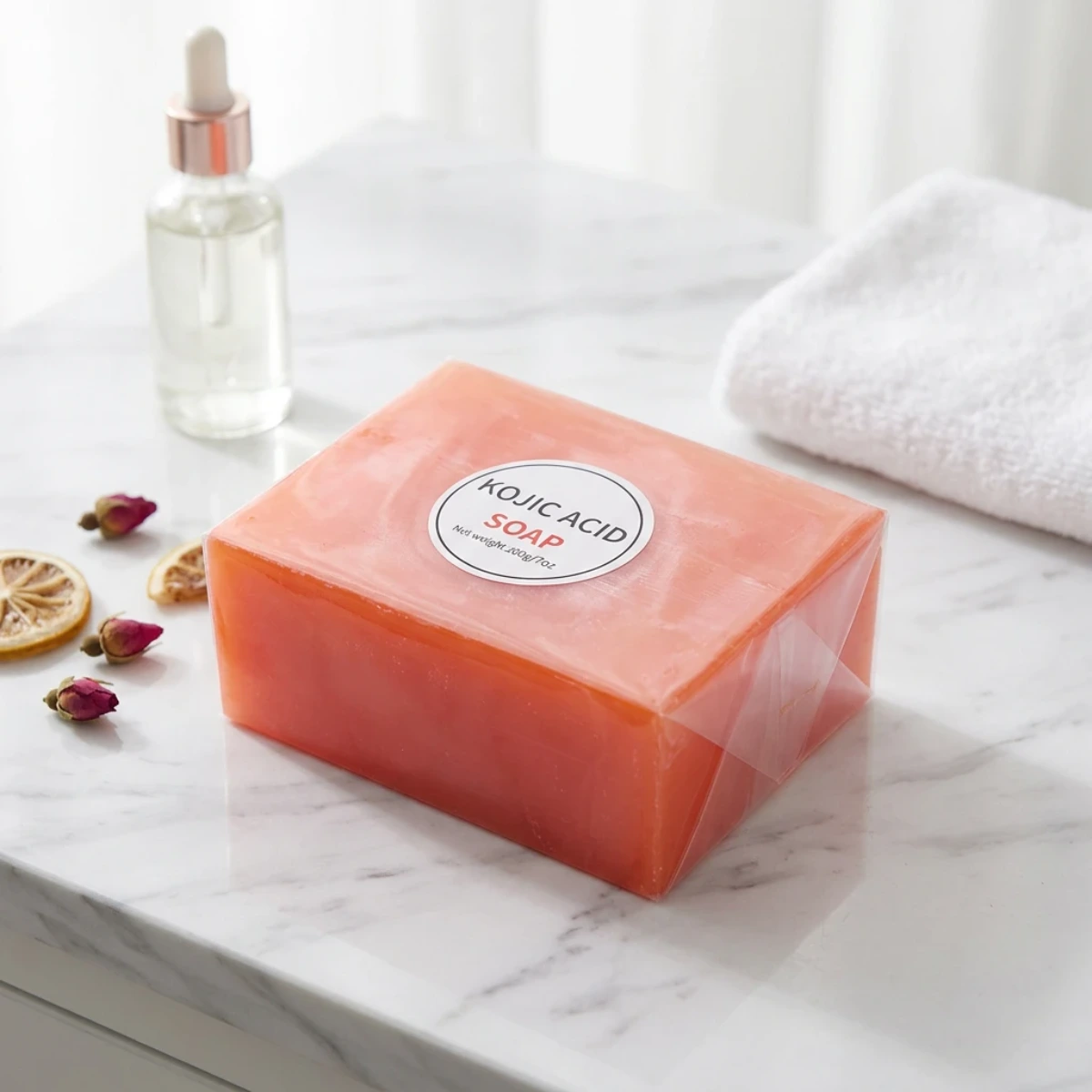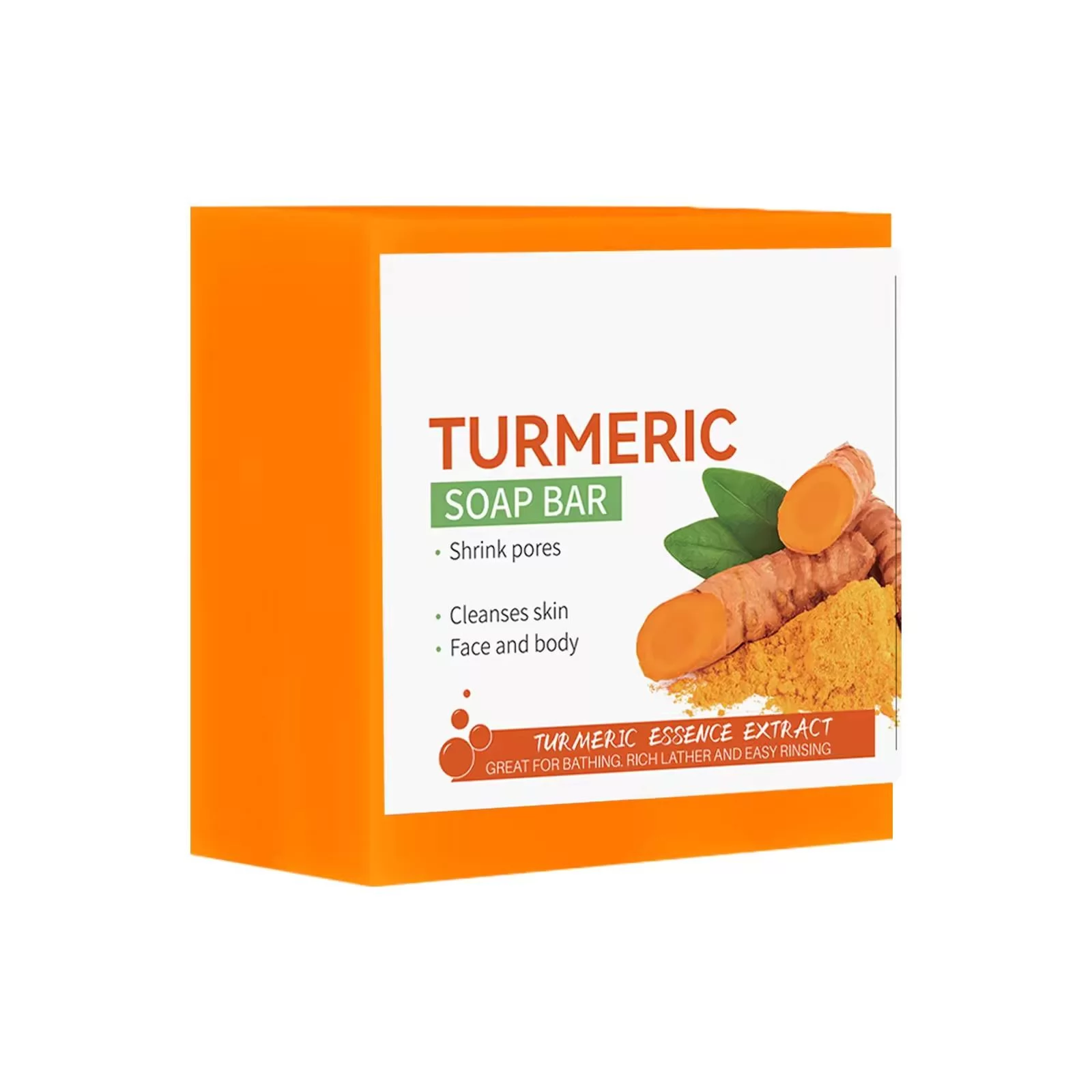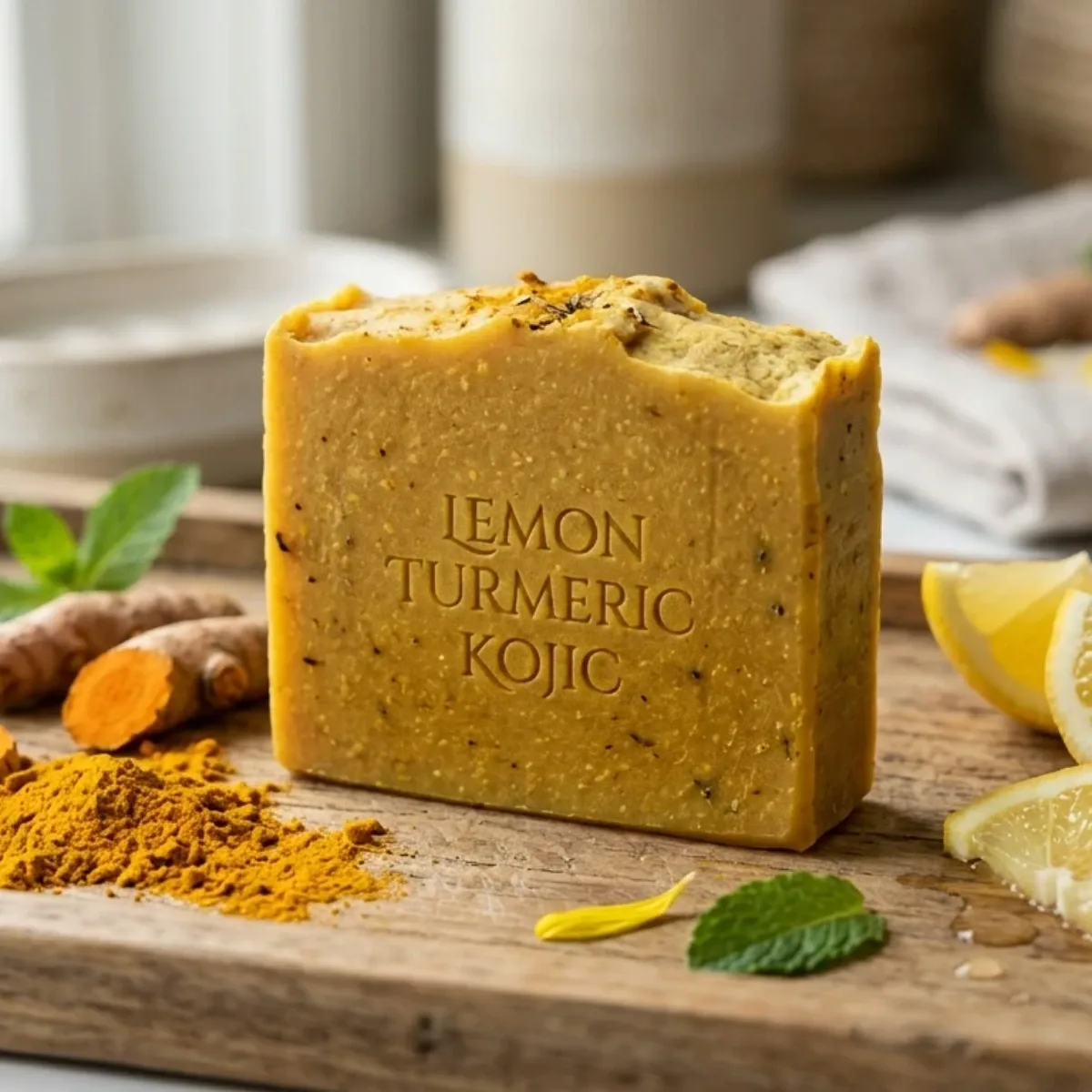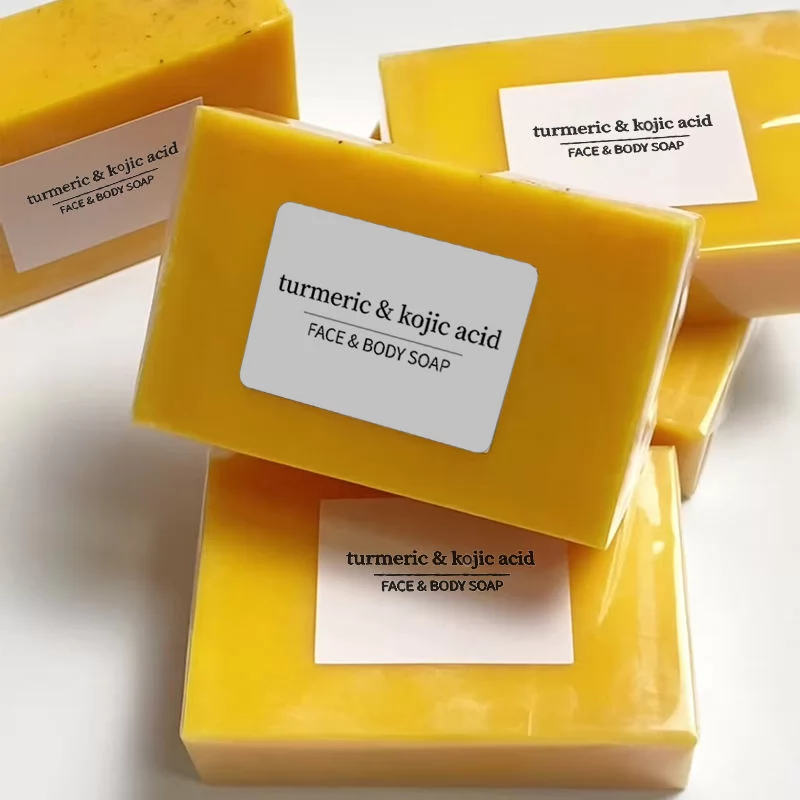

The production of natural soap constitutes a multidisciplinary endeavor, integrating principles of saponification chemistry, artisanal craftsmanship, and systematic product development. This guide provides a comprehensive examination of formulation methodology, safety protocols, batch production, and the critical decision-making frameworks associated with operational scaling, addressing both practitioners seeking to refine technical proficiency and brand stakeholders evaluating viable manufacturing pathways.
By the end, you'll have a working framework for producing premium bars and a clearer view of when to keep production in-house versus partnering with a manufacturer.
Understanding the Fundamentals of Natural Soap Making
Before measuring a single gram of oil, it helps to ground your work in the basics. The word "natural" gets used loosely in the body care space, so professionals need a sharper definition.
What Qualifies as Natural Handmade Soap
Natural handmade soap is built from plant-derived oils and butters, mineral additives like clays and oxides, and botanical extracts or essential oils. It excludes synthetic detergents, parabens, sulfates such as SLS, and petroleum-based ingredients.
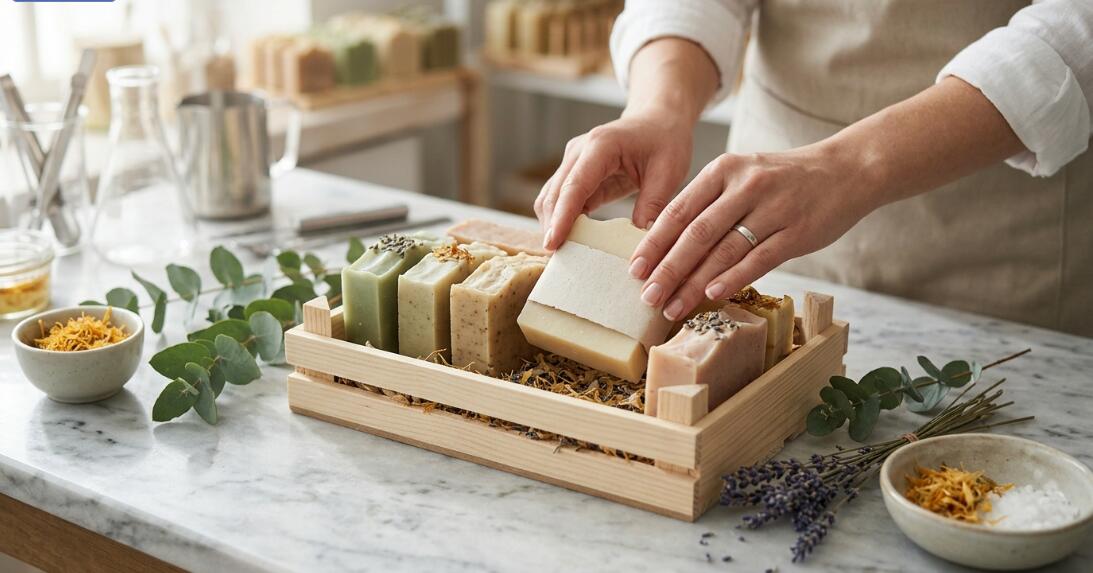
The "handmade" qualifier typically means small-batch production with manual oversight at each stage, rather than continuous industrial saponification. This matters for marketing claims and regulatory positioning in many markets.
The Science of Lye and Oils Saponification
Soap forms when sodium hydroxide (NaOH) reacts with the triglycerides in oils and butters. The reaction breaks fat molecules into fatty acid salts (the soap itself) and free glycerin.
That glycerin is one reason handcrafted bars feel different from mass-market detergent bars: it's a natural humectant that commercial producers often strip out and resell separately. Properly cured cold process soap retains it.
Cold Process vs. Hot Process vs. Melt-and-Pour
Each method has its place. Cold process soap making is the standard for premium natural products because it preserves delicate additives and produces clean, smooth bars. Hot process accelerates saponification with heat, useful for rustic finishes and faster turnaround. Melt-and-pour skips raw saponification entirely, making it ideal for decorative work but limited in formulation control.
| Method | Cure Time | Formulation Control | Best For |
|---|---|---|---|
| Cold Process | 4-6 weeks | Full | Premium natural lines |
| Hot Process | 1-2 weeks | Full | Rustic, fast-to-market bars |
| Melt-and-Pour | Hours | Limited | Decorative, gift, kids' lines |
Essential Equipment and Workspace Setup
Equipment needs differ between hobby experimentation and small-batch professional output. The principles stay the same: accuracy, safety, and material compatibility with caustic chemistry.
Core Tools Checklist
| Equipment | Purpose | Recommended Material |
|---|---|---|
| Digital scale (0.1g accuracy) | Measuring oils and lye | Stainless steel platform |
| Stick blender | Emulsifying batter | Stainless steel shaft |
| Thermometers (x2) | Temperature monitoring | Digital infrared |
| Mixing containers | Combining ingredients | HDPE plastic or stainless steel |
| Silicone or wooden molds | Shaping bars | Food-grade silicone |
| PPE kit | Safety | Goggles, nitrile gloves, apron |
Avoid aluminum at all costs. Lye reacts with it and releases hydrogen gas, which is both dangerous and ruinous to your batch.
Workspace Safety Requirements
Lye work demands ventilation. A range hood, open window with fan, or dedicated extraction setup keeps fumes from accumulating during the brief but intense moment when NaOH meets water.
Keep your soap workspace separate from food prep. Cover surfaces with newspaper or silicone mats, and set up an emergency station with running water nearby. Vinegar isn't recommended for lye burns on skin (it can intensify the reaction); plain cool water flushing for at least 15 minutes is the current safety standard.
Scaling from Kitchen to Small Workshop
Moving from 1kg test batches to 20kg+ production runs introduces new variables. Larger volumes hold heat longer, which accelerates trace and gel phase. You'll want bigger stainless steel vats, slab molds with dividers, and possibly a soap cutter for consistent bar sizing.
Floor space, climate control during cure, and inventory tracking become real concerns once you're producing more than you can stack on a single shelving unit.
Selecting Organic Soap Ingredients
Ingredient quality is the single biggest lever you have over the finished bar. Cheap, oxidized oils produce cheap, short-lived soap. Quality inputs justify premium positioning.
Base Oils and Their Properties
| Oil | Saponification Value (NaOH) | Contribution | Typical % in Recipe |
|---|---|---|---|
| Olive oil | 0.134 | Mildness, conditioning | 30-50% |
| Coconut oil | 0.183 | Hard bar, fluffy lather | 20-30% |
| Palm oil (RSPO) | 0.141 | Hardness, stable lather | 20-30% |
| Shea butter | 0.128 | Creamy feel, moisturizing | 5-15% |
| Castor oil | 0.128 | Lather booster | 3-8% |
| Sweet almond oil | 0.136 | Skin conditioning | 5-10% |
Always run your specific recipe through a soap calculator. SAP values vary slightly between sources, and a 5% superfat (extra unsaponified oil) gives a margin of safety plus skin conditioning benefits.
Essential Oils for Soap
Not every essential oil survives saponification. Lavender, peppermint, eucalyptus, tea tree, rosemary, and patchouli hold their scent reliably in cold process. Citrus oils (orange, lemon, grapefruit) tend to fade and need anchoring with clays, benzoin, or fixatives like litsea cubeba.
Usage rates typically run 2-4% of total oil weight, balanced against IFRA guidelines for skin safety. Stronger isn't always better; over-fragranced bars can irritate.
Natural Colorants and Botanical Additives
Clays bring both color and gentle exfoliation: kaolin (white, mild), French green (detoxifying claims), rhassoul (Moroccan, conditioning). Plant powders like spirulina (green), turmeric (warm yellow), and activated charcoal (black) add visual identity.
Herbal infusions in your liquid oils (calendula, chamomile, comfrey) layer in subtle benefits, though their actives don't always survive high pH. Use them for marketing storytelling backed by ingredient quality, not bold therapeutic claims.
Lye Quality and Sourcing
Use food-grade or USP-grade NaOH at 99%+ purity. Industrial-grade lye can carry contaminants that affect color, scent, and skin tolerance. Reliable suppliers will provide a Certificate of Analysis on request.
Step-by-Step Cold Process Soap Recipe
Here's a balanced formulation that works well as a teaching recipe and scales cleanly into production.
Master Recipe: Gentle Lavender Bar (1kg batch)
| Ingredient | Weight | Percentage |
|---|---|---|
| Olive oil | 400g | 40% |
| Coconut oil | 250g | 25% |
| Palm oil (RSPO) | 200g | 20% |
| Shea butter | 100g | 10% |
| Castor oil | 50g | 5% |
| Distilled water | 330g | 33% of oils |
| Sodium hydroxide | 142g | 5% superfat |
| Lavender essential oil | 30g | 3% |
Phase 1: Preparing the Lye Solution
Wearing full PPE, slowly add NaOH to your distilled water (never the reverse, which can cause violent eruption). The solution will heat to around 90°C and turn cloudy, then clear as it cools. Set it aside in a ventilated area to drop to working temperature.
Phase 2: Melting and Combining Oils
Melt the hard oils and butters first (coconut, palm, shea), then add the liquid oils (olive, castor) off heat. The combined oil temperature should land at 38-43°C (100-110°F), within a few degrees of your lye solution.
Matching temperatures isn't dogma, but it gives the most predictable trace and reduces the risk of false trace from solidifying butters.
Phase 3: Reaching Trace
Pour the lye solution into the oils through a fine sieve. Pulse the stick blender in short bursts, alternating with hand-stirring. You'll move through stages: light trace (texture of thin pudding), medium trace (clear ribbons on the surface), and heavy trace (mashed potato thickness).
Add essential oils and colorants at light to medium trace. Stir thoroughly but gently, then pour before the batter becomes too stiff to settle smoothly into the mold.
Phase 4: Pouring, Insulating, and Curing
Tap the mold to release air bubbles, then cover and insulate with a towel for 24-48 hours to encourage gel phase. Gel produces brighter colors and a slightly harder bar, though ungelled soap is also perfectly usable.
Unmold once firm, cut into bars, and cure on racks with good airflow for 4-6 weeks. During this time, water evaporates, the bar hardens, and pH stabilizes. Patience here pays off in lather quality and bar longevity.
Quality Control and Testing
Professional production demands documented quality assurance. The difference between a batch you sell and a batch you don't comes down to repeatable testing.
pH Testing Standards
Finished cold process soap should test in the pH 9-10 range. Strips work for general checks; a calibrated probe gives precise readings for batch records. Bars testing above 10.5 are likely lye-heavy and shouldn't go to market without rebatching.
Hardness, Lather, and Skin-Feel Evaluation
Set up sensory testing protocols: hardness via durometer or simple pressure test, lather scored on volume and creaminess, skin-feel rated for slip during use and after-feel once rinsed. Document everything in batch logs so you can trace issues back to formulation or process changes.
Shelf Life and DOS Prevention
Dreaded orange spots (DOS) signal oil rancidity. Prevention starts with fresh oils stored cool and dark, and is reinforced with antioxidants like rosemary oleoresin extract (ROE) at 0.1-0.5% of oil weight, or vitamin E (tocopherol) at similar rates. Keep finished bars away from humidity and direct sunlight.
Common Problems and Troubleshooting
| Issue | Likely Cause | Solution |
|---|---|---|
| Soap volcano | Overheated gel phase | Lower mold temp, less insulation |
| Soda ash on surface | Air exposure during cure | Cover with film, spray with alcohol |
| Lye-heavy bars | Measurement error | Recalculate, rebatch if mild |
| Loose, oily texture | Insufficient trace | Blend longer before pouring |
| Cracking on top | Too hot, recipe too hard | Reduce hard oils or temp |
| DOS (orange spots) | Rancid oils, no antioxidant | Use fresh oils, add ROE |
Most production problems trace back to one of three root causes: temperature management, measurement accuracy, or oil freshness. Tightening your process around those three almost always lifts batch consistency.
Scaling Up: From Hobby to Brand
Moving from making soap you love to selling soap that supports a business is a different challenge. The craft skills carry over; the operational and regulatory layers are new.
Regulatory Compliance for Commercial Sale
Compliance depends on your target market. In the US, true soap is regulated by the CPSC under the FHSA, while soap making cosmetic claims falls under FDA cosmetic rules. The EU requires CPNP notification, a Cosmetic Product Safety Report, and a Responsible Person. China's NMPA system has its own filing pathway for general cosmetics.
Stability testing, ingredient disclosure, batch records, and proper labeling apply across all major markets. Build the documentation habit early, even on small batches.
Sourcing Bulk Ingredients
Suppliers should provide consistent specs from lot to lot. Ask for Certificates of Analysis, country of origin documentation, and relevant certifications (RSPO for palm, USDA Organic, Fair Trade). Lock in pricing where you can, and keep at least two qualified suppliers per critical ingredient to manage shortages.
Choosing Between In-House Production and OEM Partnership
In-house production gives you total control but ties up capital, space, and time. OEM or ODM partnerships let you focus on brand, retail, and marketing while a specialist handles batching, QC, and packaging. Most growing brands eventually run a hybrid model: signature limited editions in-house, core volume produced under contract.
Working with a Handmade Soap Manufacturer
For brands focused on marketing and distribution, partnering with an experienced handmade soap manufacturer accelerates launch and reduces operational risk.
Poleview Biotechnology Co., Ltd. is a professional body care product manufacturer based in China, specializing in OEM and ODM handmade soap production. If you're planning to launch your own private-label soap line, Poleview offers:
- High-quality formulations with natural and organic ingredient options
- Competitive pricing for emerging and established brands
- Flexible minimum order quantities suited to startups and scaling brands
- Reliable on-time delivery
- Free sample testing available on request
Whether you need a signature cold process line, specialty botanical bars, or full-spectrum body care development, Poleview's manufacturing team supports brands from concept through fulfillment. Reach out to request samples and discuss formulation options before committing to a production run.
Cost Analysis: DIY vs. OEM Production
| Factor | Self-Production (Small Batch) | OEM Partnership |
|---|---|---|
| Startup investment | $3,000-$15,000 (equipment, inventory) | $500-$3,000 (samples, initial MOQ) |
| Per-bar cost (100g) | $1.20-$2.50 | $0.60-$1.80 |
| Time to first product | 6-8 weeks (incl. cure) | 4-6 weeks (incl. shipping) |
| Compliance burden | Full responsibility | Shared with manufacturer |
| Scalability | Limited by equipment | High, manufacturer-dependent |
| Formulation control | Complete | High with ODM, moderate with OEM |
The numbers tell only part of the story. Self-production is the right call when formulation is your differentiator and small batches are the brand promise. OEM wins when scale, consistency, and speed-to-market matter more than touching every bar yourself.
Frequently Asked Questions
How long does handmade natural soap need to cure?
Cold process bars typically cure for 4-6 weeks. Longer cures of 8-12 weeks often produce harder, milder bars with better lather longevity, especially for high-olive recipes like Castile.
Can I make soap without using lye?
True soap requires saponification, which requires lye (NaOH for bars, KOH for liquid). Melt-and-pour bases use soap that has already been saponified, so the maker doesn't handle lye directly, but the lye is still present in the chemistry.
What's the difference between OEM and ODM in soap manufacturing?
OEM (Original Equipment Manufacturer) produces soap to your existing formula and specifications. ODM (Original Design Manufacturer) develops the formula and design for you, which speeds up launch for brands without in-house R&D capacity.
Are natural soaps better for sensitive skin?
Generally yes, due to retained glycerin and the absence of synthetic detergents. That said, individual ingredients like essential oils or certain botanicals can still trigger sensitivities, so patch testing on a small area before full use is recommended.
What's the typical MOQ when working with a handmade soap manufacturer?
MOQs vary widely across the industry. Established factories often require 1,000-5,000 units per SKU, though some manufacturers like Poleview offer flexible MOQs designed specifically for startup brands and pilot launches.
How do I price my handmade soap bars commercially?
Most successful brands target a 4x-6x markup over total production cost, factoring in ingredients, labor, packaging, and overhead. That margin supports retail discounts, marketing spend, and healthy wholesale relationships without squeezing your operating budget.
Can essential oils be replaced with fragrance oils?
Yes, but it changes the "natural" positioning. Skin-safe fragrance oils offer broader scent variety and better staying power, but bars made with them can't carry organic or all-natural claims. Be transparent with customers about which option you've chosen.
What certifications matter most for natural soap brands?
Common ones include COSMOS Organic, Ecocert, USDA Organic, RSPO for palm oil sourcing, and cruelty-free marks like Leaping Bunny. Choose certifications based on what your target market actually looks for, since each one carries fees and audit overhead.
Next Steps for Aspiring Soap Brands
Wherever you are in the journey, the path forward is concrete. Start with two or three test batches using the master recipe above, then iterate on the elements that matter most for your brand: scent profile, color story, bar shape, or specific botanical actives.
While bars cure, sharpen your brand positioning. What category of customer are you serving, what problem does your soap solve better than the next bar on the shelf, and how does your story show up on packaging and online?
Then evaluate your production path honestly. Self-production rewards hands-on makers who love the craft and can absorb the operational load. Manufacturing partnerships reward founders who want to focus on brand, distribution, and growth.
If you're leaning toward the partnership route, request samples from two or three manufacturers before committing. Compare bar quality, packaging options, communication responsiveness, and pricing transparency. A free sample round with a partner like Poleview is a low-risk way to benchmark what's possible before you finalize your launch plan.
Soap making rewards patience at every stage: through the cure, through the formulation refinement, and through the brand-building work that turns a great bar into a real business. Take the next step that fits where you are today, and let the rest unfold from there.