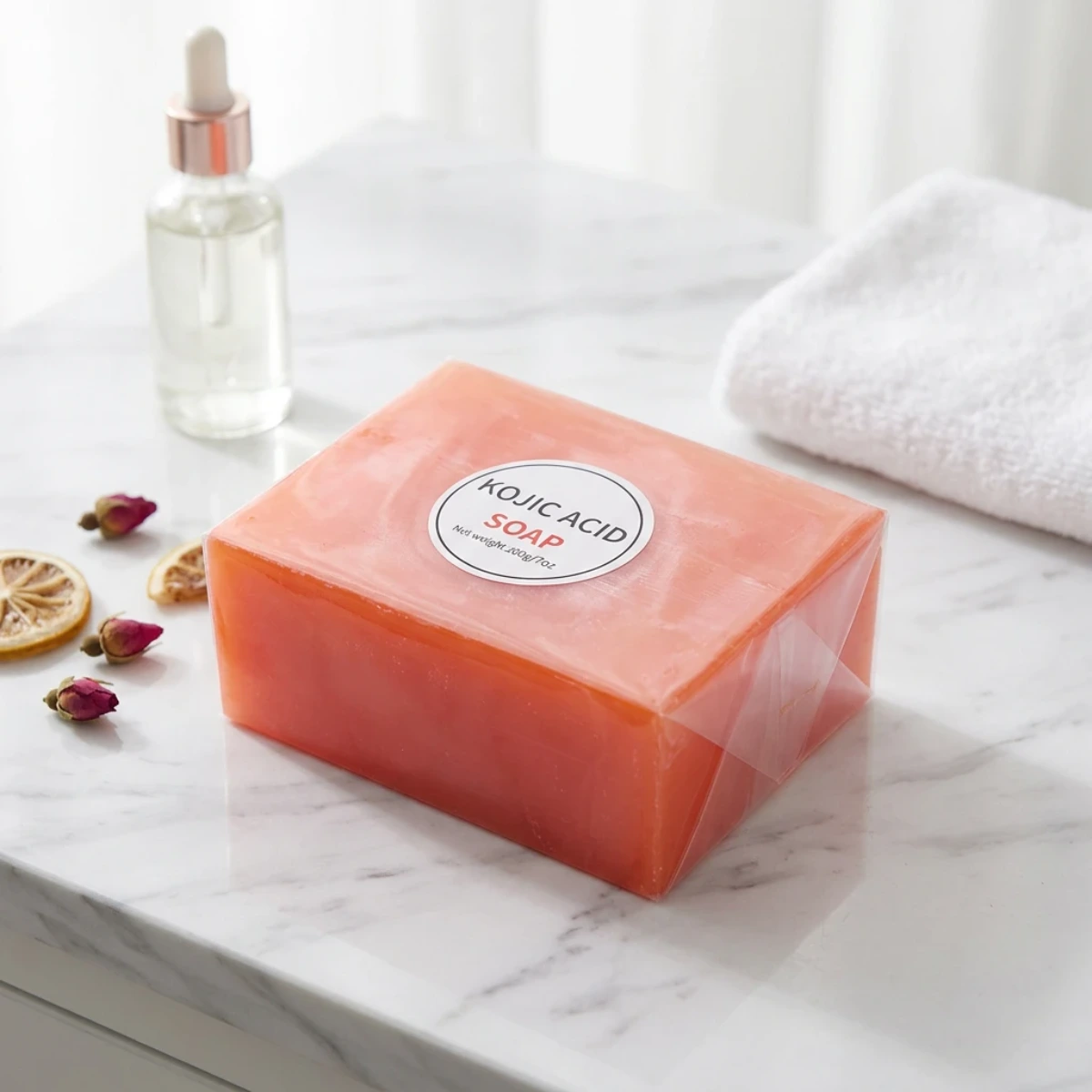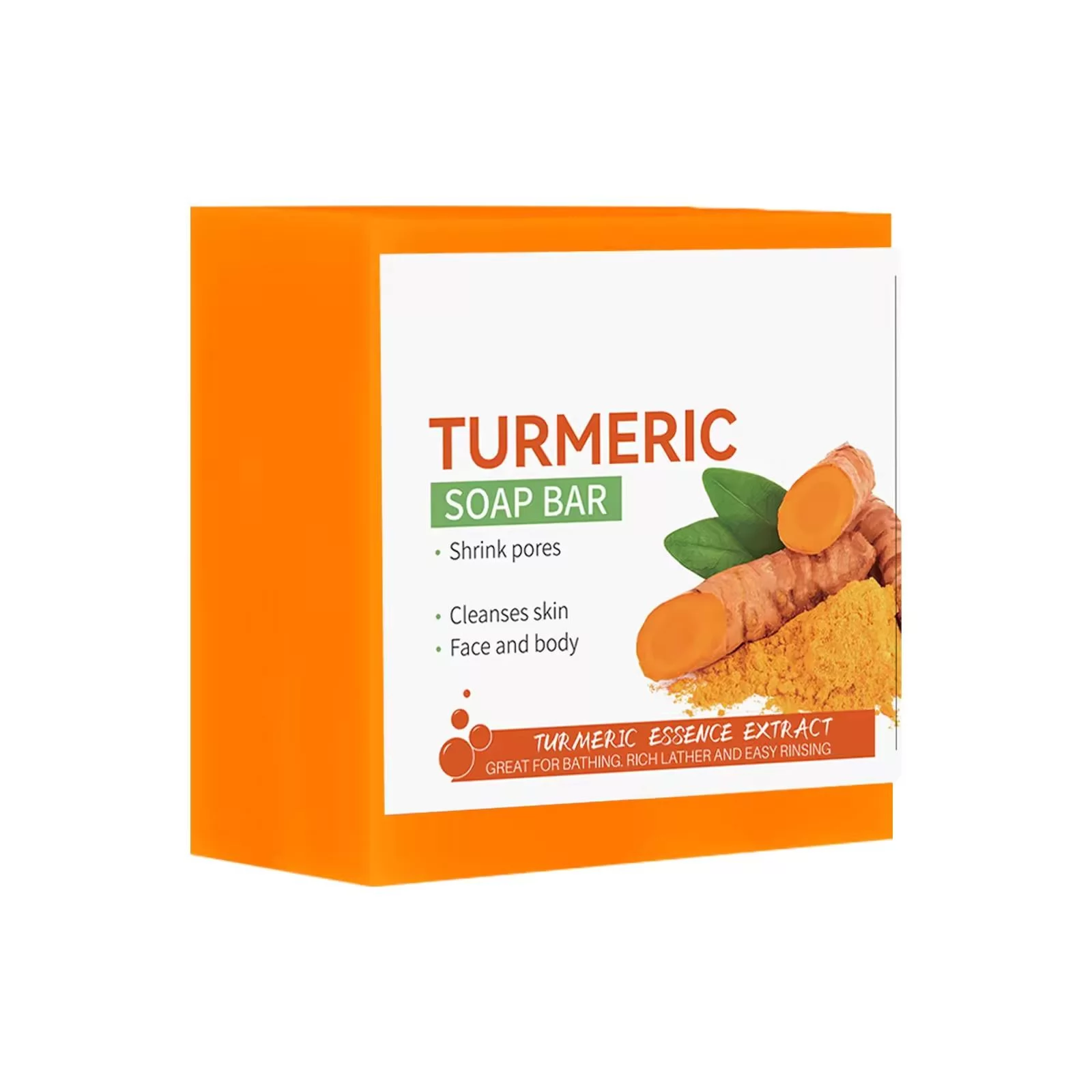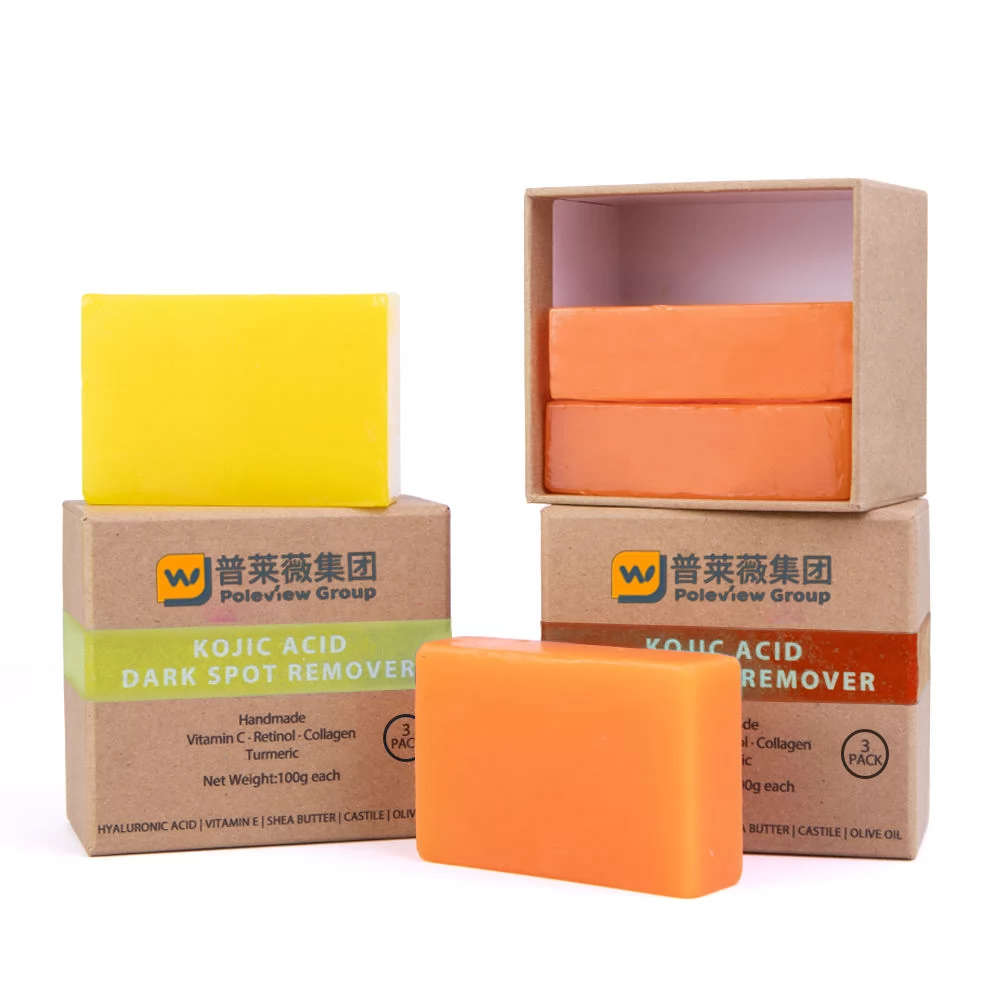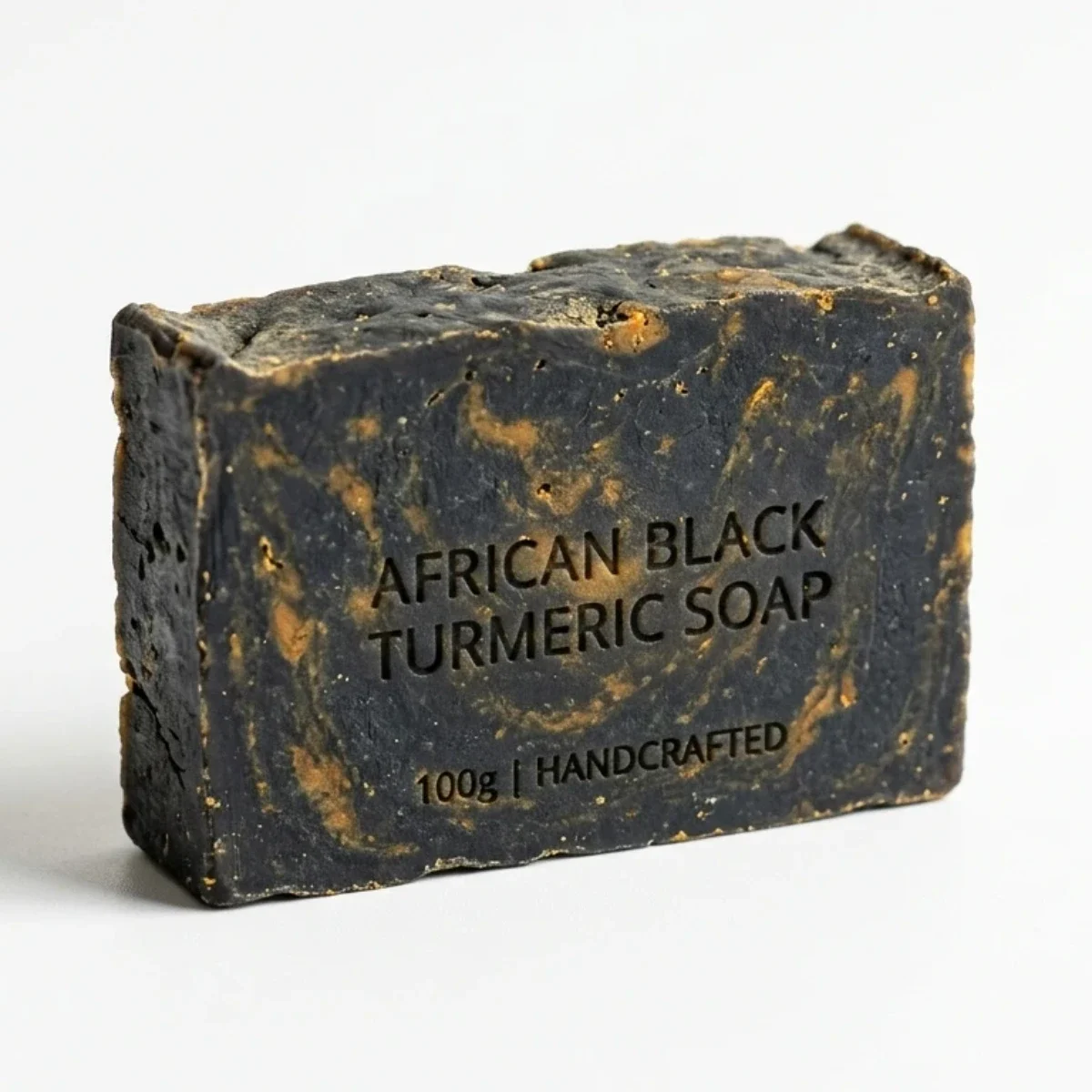

We've all been there. You're rummaging through a linen closet, a guest bathroom drawer, or maybe an old gift basket, and you find a bar of soap that's been sitting there for who knows how long. It still looks like soap. It still feels like soap. But a nagging question pops into your head: is this thing still good?
The short answer is yes, bar soap does have a shelf life. But the longer answer is far more interesting, and honestly, more reassuring than you might expect. Expired soap isn't quite like expired milk. You're not going to open it and immediately regret your life choices.
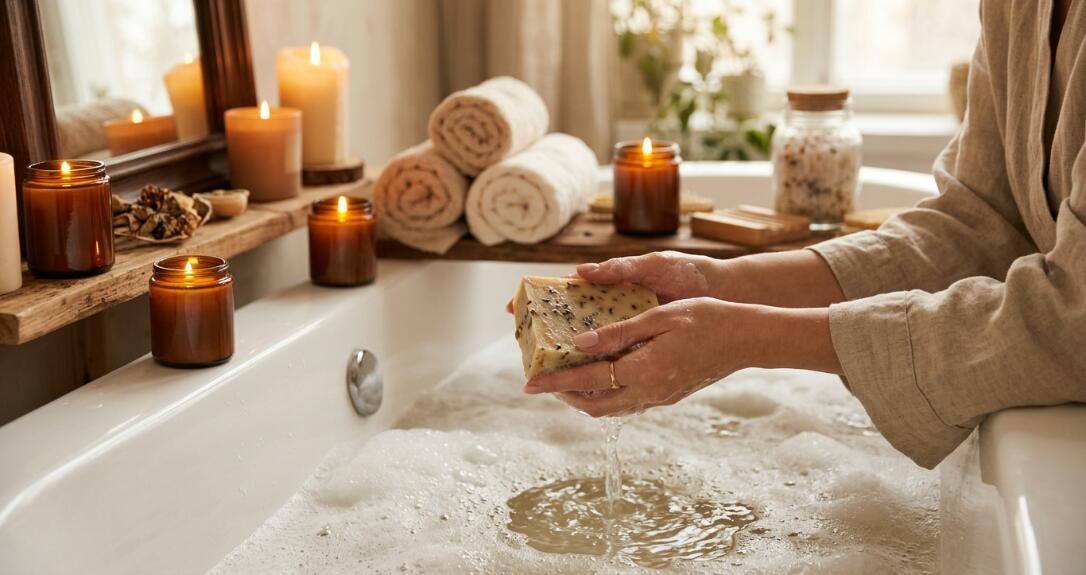
In this article, we'll break down everything you need to know about bar soap shelf life, how soap degrades over time, whether old soap is safe to use, and how to store your bars so they last as long as possible. Let's dig in.
Does Bar Soap Actually Have an Expiration Date?
What the FDA Says About Soap Expiration Dates
Here's something that surprises most people: the U.S. Food and Drug Administration does not require expiration dates on soap. At least, not on most soap. The exception is soap that contains active drug ingredients, like antibacterial agents (such as triclosan, though that's been mostly phased out) or medicated compounds used to treat skin conditions.
The FDA draws a distinction between "cosmetic" soap and "drug" soap. Most bar soaps you pick up at the grocery store are classified as cosmetics. They're designed to cleanse, and that's it. No medical claims, no expiration requirement.
That said, many manufacturers voluntarily print a "best by" or "use by" date on their packaging. This isn't a safety deadline. It's the manufacturer's estimate of when the soap will perform at its best in terms of scent, lather, and texture.
Typical Bar Soap Shelf Life
So how long does bar soap actually last? Here's a general guide:
- Standard commercial bar soap: Approximately 2 to 3 years unopened
- Natural or handmade soaps (without synthetic preservatives): 1 to 2 years
- Antibacterial or medicated soaps: Follow the printed expiration date strictly
Where you'll find the soap expiration date varies by brand. Some print it directly on the cardboard packaging. Others emboss a batch code on the bar itself, which you can look up on the manufacturer's website. And some brands don't include any date at all, relying on that general 2-3 year guideline.
The key takeaway: if your bar soap has been sitting unused for under two years and was stored reasonably well, it's almost certainly fine.
What Happens to Bar Soap Over Time?
How Soap Degrades Chemically
Soap doesn't spoil the way food does, but it does change. Understanding soap degradation over time helps you know what to look for and what actually matters.
First, the fragrance goes. Essential oils and synthetic fragrances are volatile compounds, meaning they evaporate naturally. An old bar of soap might smell like almost nothing, even if it was once powerfully scented.
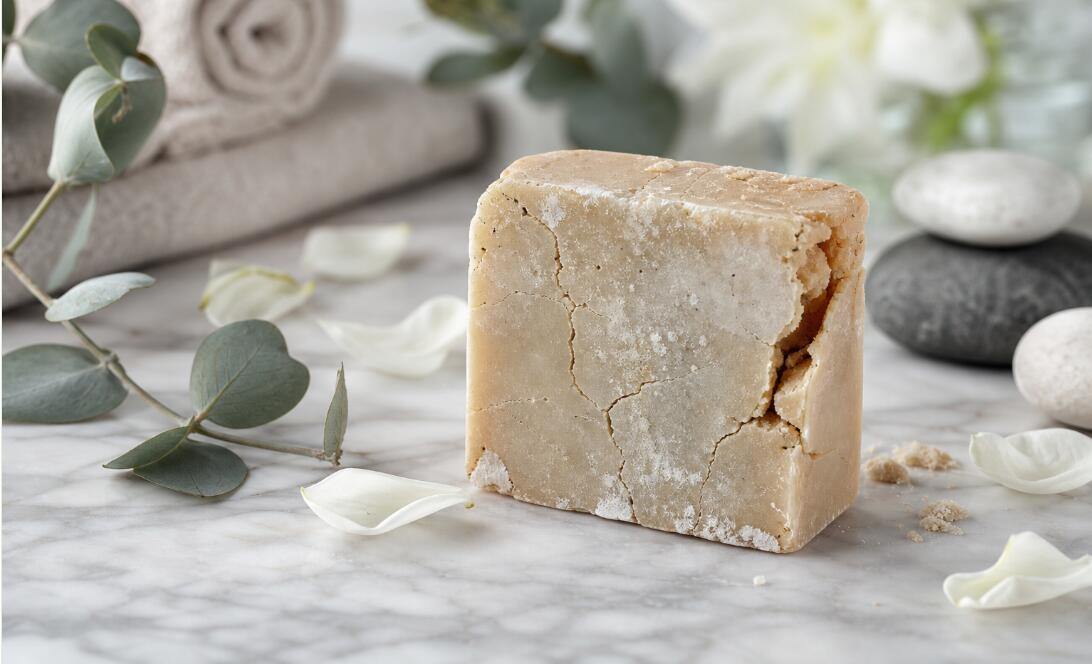
Second, the fats and oils in soap can go rancid. This is especially common in soaps made with natural oils like olive, coconut, or shea butter. You might notice small orange or brown spots on the bar. Soap makers call these "dreaded orange spots" or DOS, and they're a telltale sign of rancidity.
Third, moisture loss makes the bar dry out. Over time, a bar can become cracked, crumbly, or hard as a rock. It's still soap, chemically speaking, but it won't feel great on your skin.
Finally, the surfactant effectiveness, the soap's actual cleaning power, diminishes gradually. Old bar soap effectiveness drops not because the soap becomes toxic, but because its ability to create lather and lift dirt weakens.
Signs Your Bar Soap Has Gone Bad
Not sure whether your bar has crossed the line? Here are the red flags:
- Faded or completely absent scent — The fragrance has evaporated
- Orange or brown discoloration spots — Rancid oils (DOS)
- Dry, cracked, or flaking texture — Excessive moisture loss
- Unusual or rancid smell — Think old cooking oil, musty or "off"
- Mold growth — Rare, but possible in natural soaps stored in humid environments
A bar that simply has no scent but otherwise looks and feels normal? That's usually fine to use. A bar with visible mold? That goes straight in the trash.
Is It Safe to Use Expired Bar Soap?
Safety Considerations for Old Soap
Let's address the big concern directly: using expired bar soap is generally not dangerous. It won't poison you, give you an infection, or cause some mysterious skin disease. This is one area where expired soap safety is genuinely reassuring.
The primary issue with old soap is reduced performance. You'll get less lather, weaker cleansing power, and a less pleasant sensory experience. It still works as soap. It just doesn't work as well.
One exception worth noting: if the oils in the soap have gone significantly rancid, they may cause mild irritation in people with sensitive skin. This isn't common, but if you notice any redness or itching after using an old bar, stop using it.
When You Should Definitely Throw It Away
While most expired soap is harmless, there are situations where you should discard it without hesitation:
- Visible mold or fungal growth — Non-negotiable. Throw it out.
- Strong rancid odor — If it smells bad, your skin won't appreciate it either.
- Medicated or antibacterial soap past its printed expiration — The active ingredients lose potency, defeating the purpose of using medicated soap.
- Soap stored in unsanitary conditions — If it's been sitting in a damp basement or somewhere exposed to pests, don't risk it.
For regular cosmetic soap that just smells a little faint? Lather up. You're fine.
How to Store Bar Soap to Maximize Its Shelf Life
Ideal Storage Conditions
If you like to stock up on soap (no judgment, those holiday gift sets add up), proper storage makes a big difference in extending bar soap shelf life.
Keep unused bars in a cool, dry location away from direct sunlight and humidity. A linen closet or bedroom drawer works perfectly. As a bonus, the soap will lightly scent your linens.
Leave bars in their original packaging until you're ready to use them. The wrapping protects against moisture loss and environmental exposure. And here's a tip many people overlook: avoid storing backup soap in your bathroom. The humidity from showers and baths accelerates degradation, even on unopened bars.
Tips for Extending the Life of Soap You're Currently Using
Once a bar is in active rotation, you can still make it last longer with a few simple habits:
- Use a well-draining soap dish that allows air to circulate around the bar, not a flat dish where water pools
- Keep the bar out of the direct water stream when you're not actively using it
- Allow the bar to dry fully between uses — this prevents that mushy, dissolving texture
- Cut large bars in half and rotate usage so each piece gets adequate drying time
These small steps can easily double how long a bar lasts in your shower or at your sink.
Special Cases: Natural, Handmade, and Luxury Soaps
Why Natural Soaps Expire Faster
If you've invested in natural or handmade soaps, be aware that they typically have a shorter shelf life than commercial bars. There are a few reasons for this.
Natural soaps usually lack synthetic preservatives, which means there's nothing artificially extending their freshness window. They also tend to contain higher concentrations of natural oils, including delicate ones like hemp seed, avocado, or sweet almond, that are more prone to rancidity. A typical shelf life for handmade soap is 12 to 18 months.
Luxury and Artisan Soaps
High-end artisan soaps often use premium, volatile oils that smell incredible but don't last forever. If the maker provides storage recommendations, follow them closely.
A practical approach: if you buy luxury soaps as gifts or treats, plan to use them within a year. And if you tend to accumulate bars faster than you use them, consider buying in smaller quantities. That gorgeous hand-poured bar deserves to be enjoyed at its best, not forgotten in a drawer for three years.
Frequently Asked Questions
Can expired bar soap make you sick?
This is extremely unlikely. Expired soap loses its scent and some cleaning effectiveness, but it doesn't typically harbor harmful pathogens. The alkaline pH of soap makes it an inhospitable environment for most bacteria. The only scenario where you should be concerned is if you see visible mold growing on the bar, in which case, discard it immediately.
How can you tell if bar soap is expired without a date?
Use your senses. Check for scent loss, discoloration (especially orange or brown spots), changes in texture like cracking or crumbling, or any rancid smell. If the bar still lathers nicely and smells normal, or at least neutral, it's likely perfectly fine to use regardless of how long it's been sitting around.
Does Dove, Irish Spring, or Dial soap expire?
Yes, all commercial brands have a recommended shelf life, typically 2 to 3 years from the manufacturing date. Check the packaging for batch codes or "best by" dates. If the packaging is long gone, use the visual and scent checks described above. These mass-produced soaps tend to hold up well thanks to synthetic stabilizers and preservatives.
Can you use 10-year-old bar soap?
It probably won't harm you, but don't expect much. A decade-old bar will likely have lost nearly all its fragrance, may be extremely dry or crumbly, and its cleaning effectiveness will be significantly reduced. It might feel unpleasant on your skin due to texture changes. If you're curious, try lathering it in your hands first. If it produces decent foam and doesn't smell off, you can use it in a pinch.
Is expired bar soap still effective against germs?
Here's an important distinction most people miss. Standard soap doesn't kill germs chemically. It works mechanically by creating a slippery surface that lifts bacteria and viruses off your skin so they rinse away with water. Even old soap provides this mechanical benefit to some degree. However, if you're using antibacterial soap with expired active ingredients, that additional germ-killing function will no longer work as intended. For regular soap, age matters less than technique: lather for at least 20 seconds and rinse thoroughly.