
The global skincare ingredients market is in the middle of a major shift. Valued at over $3.2 billion in 2025 and projected to grow at a CAGR exceeding 5.8% through 2030, the active ingredients sector is reshaping how brands formulate, differentiate, and compete. For formulators, brand owners, and procurement professionals, understanding which compounds deliver real results — and partnering with the right manufacturing partner — separates a forgettable product from a category leader.
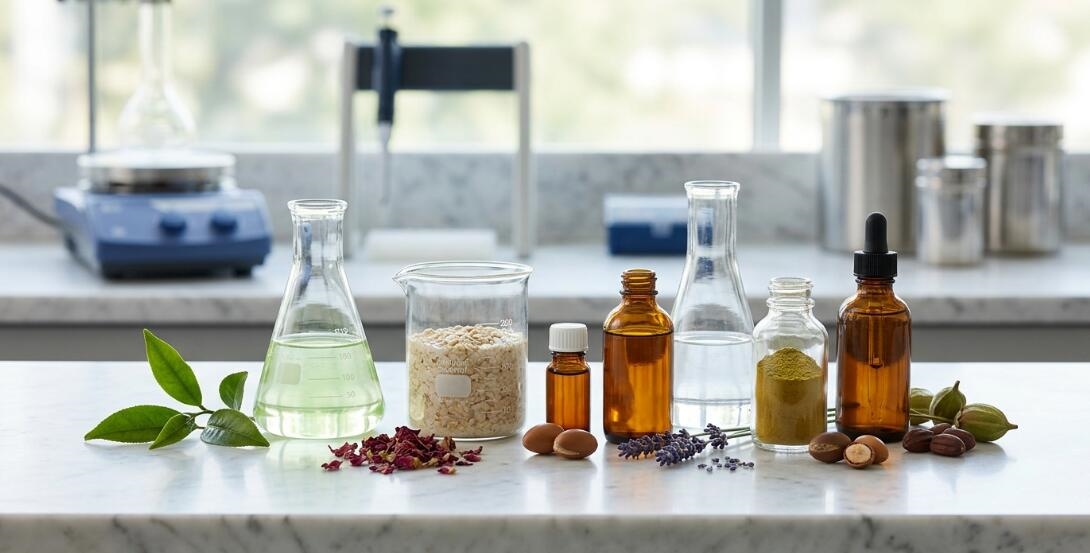
This guide breaks down the ten most impactful ingredients driving the industry, compares their performance profiles, and provides a practical framework for turning ingredient knowledge into market-ready products.
Why Understanding Active Ingredients in Skincare Matters More Than Ever
Consumer education has hit a new high. Today's buyers scrutinize ingredient lists, cross-reference clinical studies, and demand transparency. Generic formulations no longer cut it — brands must deploy targeted, evidence-backed actives to earn trust and loyalty.
For professionals evaluating a skincare manufacturer or exploring private label skincare OEM partnerships, ingredient expertise is the foundation of every successful product line. The actives you select dictate efficacy claims, regulatory pathways, pricing strategy, and ultimately, brand reputation.
The Top 10 High-Performance Skin Care Ingredients Driving the Industry
1. Hyaluronic Acid — The Gold Standard of Hydration
Hyaluronic acid remains the most universally demanded hydrating ingredient across all product categories. Its unique capacity to hold up to 1,000 times its weight in water makes it indispensable in serums, moisturizers, sheet masks, and even color cosmetics.
What separates professional-grade formulations is molecular weight strategy. High molecular weight HA (>1,000 kDa) forms a moisture-locking film on the skin surface. Medium weight (100–1,000 kDa) penetrates the upper epidermis. Low molecular weight HA (<100 kDa) reaches deeper layers for plumping effects. Multi-weight blends deliver the most comprehensive hydration profiles.
2. Retinol — Proven Anti-Aging Powerhouse
The retinol benefits portfolio is unmatched in dermatological literature: accelerated cell turnover, collagen synthesis stimulation, hyperpigmentation reduction, and fine line smoothing. It remains the benchmark against which all anti-aging actives are measured.
Advances in encapsulation technology — including liposomal delivery and time-release microspheres — have dramatically improved retinol's stability while reducing irritation potential. Formulators must also navigate varying regulatory limits: the EU restricts retinol to 0.3% in face products (effective 2025), while other markets permit higher concentrations.
3. Niacinamide — The Multi-Tasking Marvel
The popularity of niacinamide serum formulations has surged across both Western and K-beauty markets. The reason is straightforward. This vitamin B3 derivative simultaneously addresses pore refinement, barrier repair, sebum regulation, uneven skin tone, and transepidermal water loss.
Optimal concentrations range from 2% for sensitive skin protocols to 10% for targeted treatments. Niacinamide pairs synergistically with hyaluronic acid, peptides, and ceramides, making it an exceptionally versatile formulation building block.
4. Vitamin C (L-Ascorbic Acid & Derivatives)
Vitamin C delivers potent antioxidant defense, brightening, and photoprotection support. Pure L-ascorbic acid (LAA) offers the strongest clinical evidence but requires formulation at pH 2.5–3.5 and degrades rapidly when exposed to light and air.
Stable derivatives — ascorbyl glucoside, ethyl ascorbic acid, and ascorbyl tetraisopalmitate — sacrifice some potency for dramatically improved shelf life. Experienced formulation teams select the derivative that balances efficacy targets with product format requirements.
5. Peptides — Signal, Carrier, and Neurotransmitter Types
Peptides represent one of the fastest-growing active ingredients skincare categories. Signal peptides like Matrixyl (palmitoyl pentapeptide-4) trigger collagen and elastin production. Copper peptides (GHK-Cu) accelerate wound healing and tissue remodeling. Neurotransmitter-inhibiting peptides like Argireline mimic botulinum toxin's smoothing effect topically.
The key formulation challenge lies in peptide stability and skin penetration. Molecular size, charge, and delivery vehicle all influence bioavailability — which makes formulation expertise critical.
6. Ceramides — Barrier Restoration Essentials
Ceramides comprise approximately 50% of the skin's lipid matrix. They are essential for barrier integrity and moisture retention. Depletion — through aging, environmental stress, or harsh cleansing — leads to sensitivity, dryness, and increased vulnerability to irritants.
Bio-identical ceramide complexes (ceramide NP, AP, and EOP) combined with cholesterol and fatty acids in the physiological 3:1:1 ratio deliver optimal barrier restoration. These formulations are especially critical for sensitive skin and post-procedure recovery lines.
7. Alpha Hydroxy Acids (AHAs) & Beta Hydroxy Acids (BHAs)
Chemical exfoliation remains a cornerstone of results-driven skincare. AHAs — glycolic acid (strongest penetration), lactic acid (hydrating), and mandelic acid (gentlest, suitable for melanin-rich skin) — dissolve intercellular bonds on the skin surface. BHA (salicylic acid) is oil-soluble. It penetrates pores directly, addressing congestion and acne at the source.
Effective concentrations typically range from 5–15% for leave-on formulations, with efficacy dependent on maintaining pH between 3.0 and 4.0. The formulation's pH directly determines the percentage of free acid available to act on the skin.
8. Natural Skincare Compounds — Botanical Extracts & Plant-Derived Actives
The clean beauty movement has accelerated demand for natural skincare compounds that meet clinical performance standards. Bakuchiol, a meroterpene derived from Psoralea corylifolia, has gained traction as a retinol alternative — published studies demonstrate comparable anti-aging results without the irritation.
Centella asiatica (madecassoside, asiaticoside) offers clinically validated wound healing and anti-inflammatory benefits. Green tea polyphenols (EGCG) deliver potent antioxidant protection. Squalane — originally shark-derived but now sustainably produced from olive or sugarcane — provides exceptional emolliency and barrier support.
9. Tranexamic Acid — The Rising Star for Hyperpigmentation
Tranexamic acid inhibits the plasminogen-melanocyte pathway, offering a mechanism of action distinct from traditional brightening agents like kojic acid or arbutin. Clinical trials show significant melasma and post-inflammatory hyperpigmentation improvements at topical concentrations of 2–5%.
Global demand for tranexamic acid-based products has surged, particularly in Asian and Latin American markets where hyperpigmentation concerns rank among the top consumer priorities.
10. Probiotics & Postbiotics — Microbiome-Focused Skincare
Skin microbiome science represents the frontier of next-generation skincare. Postbiotic ingredients — fermentation-derived lysates, metabolites, and bacteriocins — strengthen the skin's microbial ecosystem without the formulation stability challenges that come with live probiotic organisms.
Lactobacillus ferment lysate and bifida ferment filtrate are among the most clinically supported postbiotic actives. Formulators must carefully manage preservation systems to protect these bioactives without disrupting microbiome balance.
Skin Care Ingredients Comparison Table
| Ingredient | Primary Function | Optimal Concentration | Skin Type Suitability | Formulation Stability | Synergistic Pairings | Market Demand Trend (2025–2026) |
|---|---|---|---|---|---|---|
| Hyaluronic Acid | Hydration, plumping | 0.1%–2% | All skin types | High | Niacinamide, Vitamin C, Ceramides | Stable — high demand |
| Retinol | Anti-aging, cell renewal | 0.025%–1% | Normal, mature (caution: sensitive) | Low (requires encapsulation) | Niacinamide, Peptides, HA | Growing — encapsulated forms rising |
| Niacinamide | Barrier repair, brightening, sebum control | 2%–10% | All skin types | High | HA, Ceramides, Peptides, Zinc | Strong growth — global demand |
| Vitamin C | Antioxidant, brightening | 5%–20% (LAA); 1%–3% (derivatives) | All (LAA may irritate sensitive) | Low (LAA); High (derivatives) | Vitamin E, Ferulic Acid | Stable — derivative interest rising |
| Peptides | Firming, repair, smoothing | 1–10 ppm (varies by type) | All skin types | Moderate | Niacinamide, HA, Ceramides | Rapid growth — premium positioning |
| Ceramides | Barrier restoration | 0.5%–3% | All, especially sensitive/dry | High | Cholesterol, Fatty Acids, HA | Steady growth — sensitive skin focus |
| AHAs/BHAs | Exfoliation, texture refinement | 5%–15% (leave-on) | Normal, oily, acne-prone | High (pH-dependent) | Niacinamide (in separate routines) | Stable — mandelic acid trending |
| Natural Compounds | Various (anti-aging, soothing, antioxidant) | 0.5%–5% (varies) | All, especially sensitive | Moderate to High | Ceramides, HA, Niacinamide | Strong growth — clean beauty driver |
| Tranexamic Acid | Brightening, anti-hyperpigmentation | 2%–5% | All, especially hyperpigmentation-prone | High | Niacinamide, Vitamin C derivatives | Rapid growth — Asia-Pacific leading |
| Probiotics/Postbiotics | Microbiome support, soothing | 1%–5% (lysate-dependent) | All, especially reactive skin | Moderate (preservation challenges) | Ceramides, Centella Asiatica | Emerging — high innovation interest |
How to Select the Right Active Ingredients for Your Product Line
Matching Ingredients to Target Demographics
Ingredient selection should start with consumer needs, not ingredient trends. An anti-aging line targeting consumers 40+ will prioritize retinol, peptides, and ceramides. A line for acne-prone teens? That calls for salicylic acid, niacinamide, and lightweight hyaluronic acid formats.
Men's grooming products call for simplified routines built around multi-functional actives — niacinamide and vitamin C derivatives fit this segment particularly well. Brand owners should map their target demographic's primary skin concerns before starting formulation discussions with their manufacturing partner.
Ingredient Compatibility & Formulation Stability
Not all actives play well together. Retinol and direct acids (AHAs/BHAs) at low pH can accelerate retinol degradation and heighten irritation risk — best to separate them into AM/PM routines. The long-running debate around niacinamide and low-pH vitamin C? Largely settled. Modern formulation techniques minimize the conversion to niacin that caused flushing in earlier studies.
Comprehensive stability testing — accelerated aging, freeze-thaw cycles, compatibility assessments — is non-negotiable for professional-grade products. This is exactly where experienced formulation teams at established manufacturers deliver irreplaceable value.
Regulatory & Safety Considerations Across Global Markets
Active ingredient regulations vary widely. The EU Cosmetics Regulation sets strict limits on retinol concentrations and requires specific labeling. The U.S. FDA regulates cosmetics under a different framework, treating sunscreen actives as OTC drugs. China's NMPA requires animal testing for certain imported products and maintains a positive list for new cosmetic ingredients.
Working with a skincare manufacturer that understands multi-market compliance — documentation, safety assessments, registration requirements — dramatically cuts time-to-market and regulatory risk.
Scaling from Ingredient Selection to Market-Ready Products
Why Partnering with an Experienced Private Label Skincare OEM Accelerates Growth
Translating ingredient knowledge into commercially viable products requires formulation infrastructure, production capability, and quality systems most emerging brands cannot build on their own. A private label skincare OEM partnership gives you access to established formulation libraries, specialized manufacturing equipment, and regulatory expertise — at a fraction of the cost of in-house development.
Turnkey manufacturing models let brands focus on marketing, distribution, and brand building while their production partner handles formulation optimization, stability testing, batch production, and quality assurance.
Poleview Biotech — Your Trusted Skincare Manufacturer for Premium Formulations
Poleview Biotech Co., Ltd. exemplifies the type of manufacturing partner that enables brands to deploy the high-performance ingredients discussed throughout this guide with confidence. Based in Huizhou, Guangdong Province, China, Poleview specializes in OEM and ODM orders for skincare brands worldwide.
Their operation centers on premium ingredient sourcing and mature, stable formulations refined through extensive testing and commercial validation. Production follows ISO 22716 standards within modern facilities designed for large-scale output — ensuring consistency whether you're ordering 5,000 or 500,000 units.
What sets Poleview apart is the combination of formulation depth and manufacturing reliability. On-time delivery is guaranteed. Their team welcomes international clients to visit the Huizhou factory and inspect processes firsthand. Complimentary samples are available upon request, so brands can evaluate product quality before committing to production orders.
From Concept to Shelf: The Poleview Manufacturing Process
The Poleview partnership workflow is designed for efficiency and transparency:
Consultation — Define product objectives, target market, and ingredient preferences
Formulation Development — Draw from existing formulation libraries or develop custom formulas
Sample Testing — Receive complimentary samples for internal evaluation and feedback
Bulk Production — Scale manufacturing with ISO 22716-certified quality controls
Quality Assurance — Comprehensive testing at every stage including stability, safety, and efficacy validation
Delivery — On-time shipment with full documentation for global market access
This streamlined process enables brands to move from concept to shelf in weeks rather than months.
Ingredient Sourcing & Quality Benchmarks Table
| Quality Factor | Industry Standard | Poleview Biotech Standard |
|---|---|---|
| Production Certification | GMP | ISO 22716 + GMP |
| Ingredient Traceability | Basic COA | Full supply chain documentation |
| Formulation Testing | Stability test | Stability + compatibility + efficacy testing |
| MOQ Flexibility | Varies widely | Flexible for emerging & established brands |
| Lead Time | 30–60 days | Competitive, on-time delivery guaranteed |
| Sample Availability | Upon request (often paid) | Complimentary samples available |
| Factory Transparency | Limited access | Open invitation for factory visits |
Frequently Asked Questions (FAQ)
What are the most in-demand active ingredients in skincare right now?
Based on 2025–2026 market data, hyaluronic acid, retinol (especially encapsulated forms), niacinamide, peptides, and vitamin C derivatives lead global demand. Tranexamic acid and postbiotic ingredients are the fastest-growing categories, fueled by consumer interest in targeted brightening and microbiome health.
Can I combine retinol and niacinamide in the same formulation?
Yes. Despite older concerns, modern research confirms that retinol and niacinamide are not only compatible but synergistic when properly formulated. Niacinamide can actually reduce retinol-induced irritation while enhancing brightening outcomes. The key lies in formulation pH management and appropriate concentration ratios — capabilities that experienced manufacturing partners handle routinely.
What is the difference between OEM and ODM in skincare manufacturing?
In an OEM (Original Equipment Manufacturing) arrangement, the brand provides its own formula and the manufacturer produces it. In an ODM (Original Design Manufacturing) model, the manufacturer supplies both formulation and production. ODM is ideal for brands entering the market quickly using proven formulations, while OEM suits brands with proprietary R&D capabilities. Many partners, including Poleview Biotech, offer both models.
How do I choose a reliable private label skincare OEM partner?
Evaluate potential partners against these criteria: ISO 22716 certification, demonstrated formulation expertise with active ingredients skincare, scalable production capacity, transparent ingredient sourcing, responsive communication, and willingness to host factory visits. Requesting samples before committing is essential. Poleview Biotech meets all of these benchmarks and actively encourages prospective clients to visit their Huizhou facility.
What certifications should a skincare manufacturer hold?
At minimum, look for ISO 22716 (cosmetics GMP) certification, which covers production, control, storage, and shipment of cosmetic products. Depending on your target markets, additional certifications such as FDA facility registration (for U.S. distribution), CPNP notification compliance (for the EU), and NMPA registration (for China domestic sales) may be required. These certifications ensure product safety, regulatory compliance, and smoother market entry across multiple regions.
Are natural skincare compounds as effective as synthetic actives?
In many cases, yes — when formulated correctly. Published clinical studies show that bakuchiol delivers anti-aging results comparable to retinol without the associated irritation or photosensitivity. Centella asiatica's triterpene compounds (madecassoside, asiaticoside) have strong evidence supporting wound healing and anti-inflammatory efficacy. The critical factor isn't whether an ingredient is natural or synthetic. It's whether the formulation team has the expertise to optimize concentration, delivery system, and product stability for maximum bioavailability.
What minimum order quantities are typical for private label skincare?
Industry MOQs vary widely depending on product format and manufacturer scale. Sheet masks may require minimums of 10,000–50,000 units, while serums and creams often start at 1,000–5,000 units. Manufacturers like Poleview Biotech offer flexible MOQ options designed to accommodate both startup brands testing initial SKUs and established brands scaling to high-volume production runs. Discussing your specific volume needs during the initial consultation ensures alignment before production begins.
Ready to Build Your Next Skincare Line with Premium Ingredients?
The ingredients covered in this guide represent the most impactful, clinically validated actives available to skincare brands today — from hyaluronic acid and retinol to emerging stars like tranexamic acid and postbiotics. But turning this knowledge into products that win consumer loyalty takes more than ingredient awareness. It demands a manufacturing partner with the formulation depth, production scale, and quality systems to deliver excellence consistently.
Poleview Biotech Co., Ltd. offers exactly that. With ISO 22716-certified production facilities in Huizhou, Guangdong Province, China, mature and stable formulations featuring the high-performance actives discussed throughout this article, large-scale production capacity, and a proven track record of on-time delivery, Poleview is the partner that transforms your brand vision into market-ready reality.
Take the next step today: Contact Poleview Biotech to request complimentary samples, discuss your OEM or ODM project requirements, or schedule a visit to our Huizhou factory. Whether you are launching your first product line or expanding an established portfolio, our team is ready to help you create premium skincare products that stand out in any market.